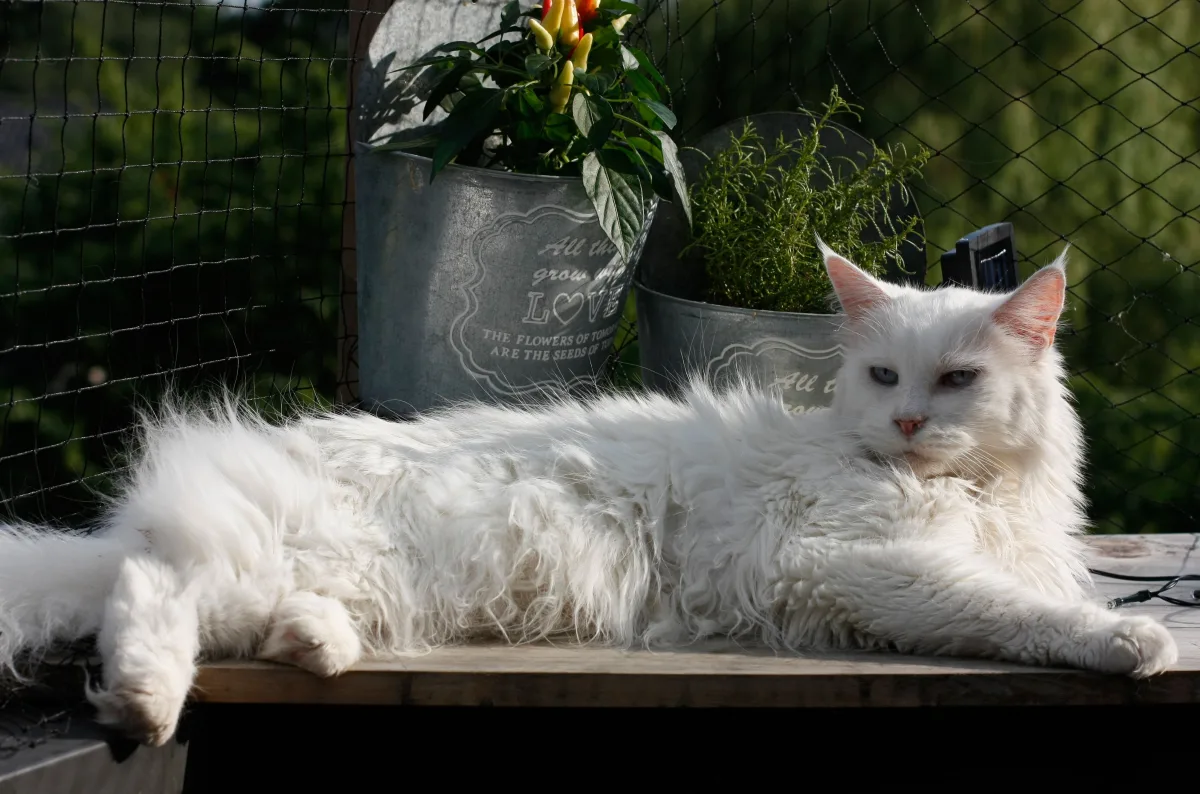
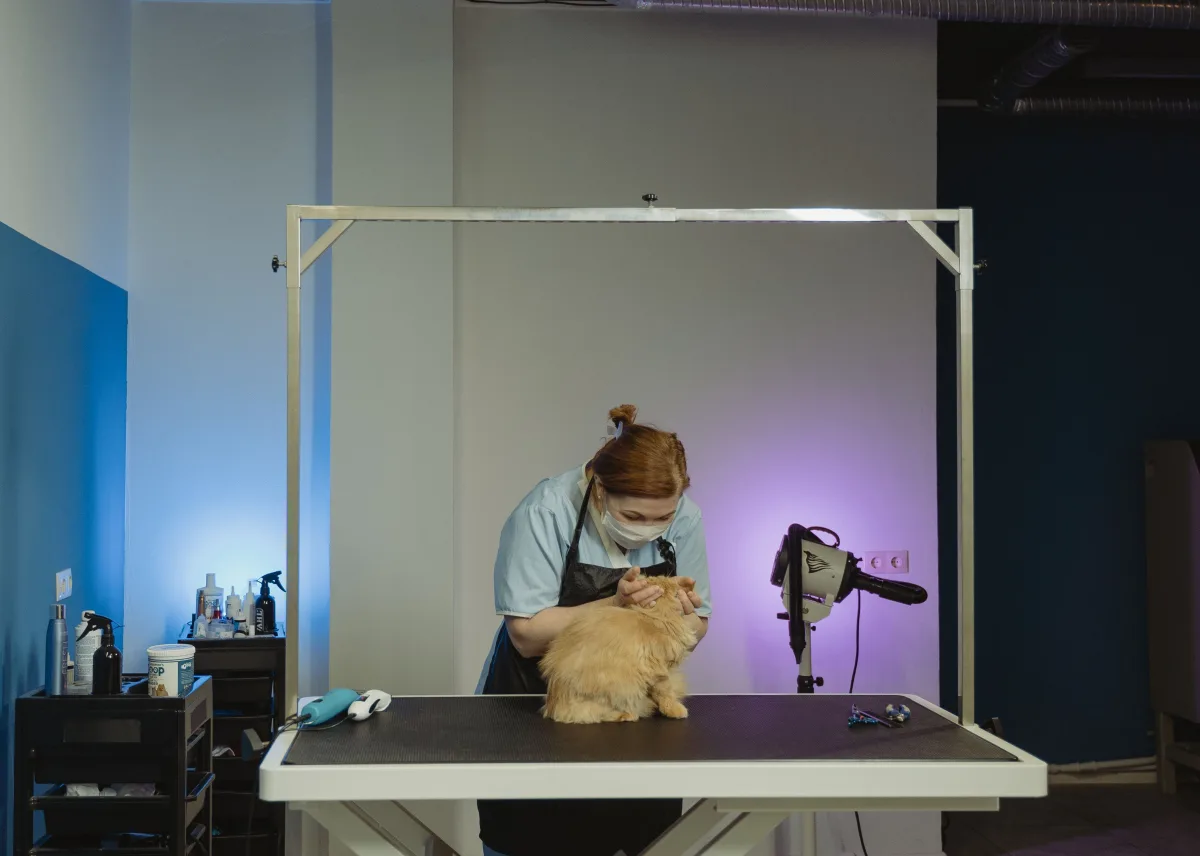
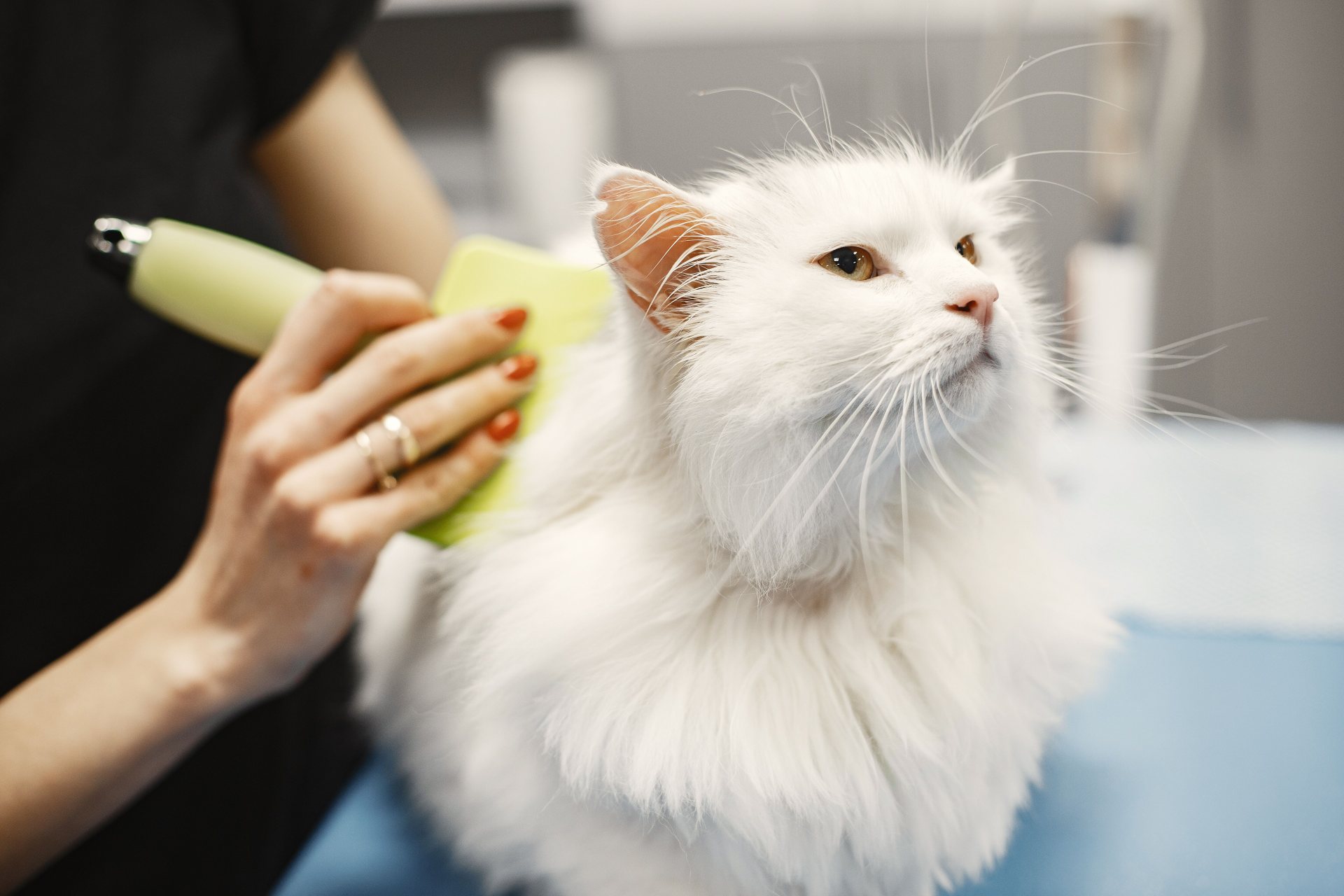
Most cats can manage a lot of their own grooming, but a little help goes a long way. Regular brushing reduces loose fur around the house, gives you a chance to check for lumps or sore spots, and can become a calm bonding ritual. Short-haired cats usually do well with a soft rubber brush or a simple slicker. Long-haired cats need more frequent, gentle line brushing to prevent mats, especially behind the ears and under the arms.
Keep sessions short and stop before your cat gets restless. A treat afterwards helps build a positive association. Never tug at a knot; work through it slowly with your fingers or a wide-tooth comb, and ask a groomer or vet if a mat is tight to the skin. Nail trims are easier when you handle paws regularly and trim just the clear tip, avoiding the quick. Waterless foams can freshen a coat between baths, but cats rarely need full baths unless a vet recommends one.
Choose tools that feel comfortable in your hand and are sized for a cat, not a dog. Wash brushes regularly, and store them somewhere your cat cannot chew the bristles. Our grooming picks focus on gentle action, easy cleaning, and low-scent formulas that suit sensitive noses.



 Editor's Pick