At a glance
A side-by-side look at the picks in this guide. Always check the live Amazon listing for current specifications and price.
Swipe sideways to see the full table.
| Pick | Best for | What stands out | Worth knowing | Check price |
|---|---|---|---|---|
| Swihauk Self Cleaning Slicker Brush - Skin Friendly Deshedding Grooming Tool for Dogs & Cats, Suitable for Shedding & Haired Pets, | Everyday brushing for most coats | Fine, rounded pins glide through short and medium coats | Too much pressure can scratch the skin | See It on Amazon |
| Pet Hair Removal Glove for Dogs & Cats, 2-Pack Blue | Long-haired cats and gentle grooming | Feels like petting, which can suit cats who dislike brushes | Less effective on tight mats than a comb | See It on Amazon |
| Burt's Bees, Waterless Cat Shampoo, Dry Shampoo Spray, 10 fl oz (296 mL) | Spot cleaning between baths | No-rinse foam is quick to apply and towel off | Not a substitute for a full bath when one is needed | See It on Amazon |
| FELIWAY Classic Cat Calming Spray, 60ml | Carrier prep and travel | Spray the carrier 15–30 minutes before travel so it settles | Results vary; not every cat responds | See It on Amazon |
Long-haired cat grooming comes down to a simple habit: a few minutes with a comb and brush most days, plus a quick check for tangles behind the ears, under the front legs and around the back end. You do not need a salon full of tools or a weekly bath. You need a routine your cat will tolerate, a metal comb, a gentle slicker brush and the patience to stop before either of you gets frustrated. This guide covers the tools that earn their place, a realistic long haired cat grooming at home routine, and when a mat is a job for a professional.
As an Amazon Associate I earn from qualifying purchases. You can read our affiliate disclosure for the details.
What a long-haired coat actually needs
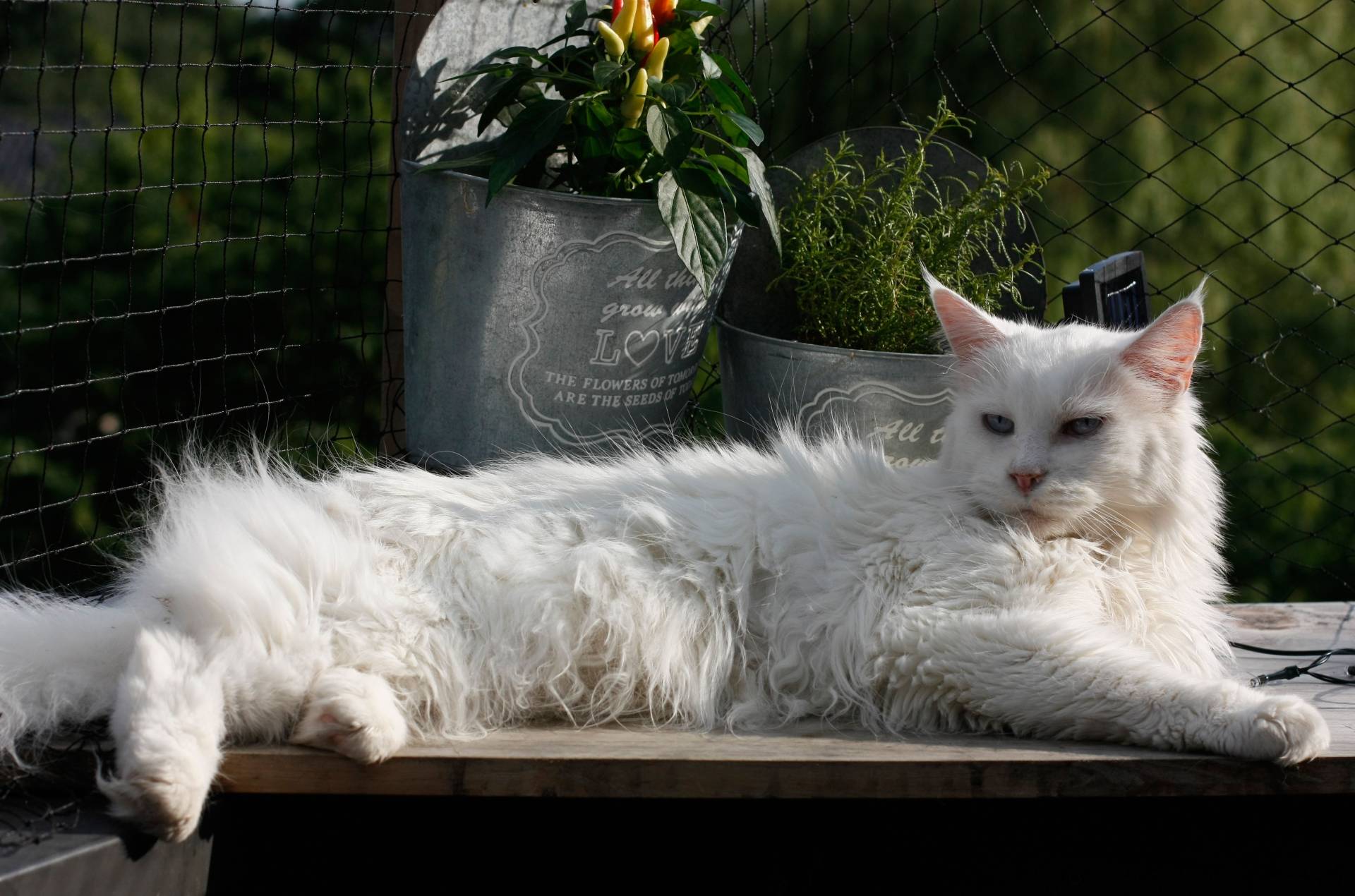
Long-haired is not one coat type. A Maine Coon or Ragdoll tends to have a silky outer coat with a softer undercoat, while a Persian often has a denser, cottony coat that holds loose hair close to the skin. The difference matters when you choose tools, but the basic problem is the same: shed undercoat gets trapped instead of falling away, twists around the longer guard hairs and forms mats where the coat rubs. The hotspots are behind the ears, under the front legs, along the flanks and around the britches.
Frequency beats force. Five minutes every day or two prevents more mats than an hour-long rescue once a month. Most long-haired cats do not need a full bath or a professional groom every few weeks; they need a quick comb-through that finds small tangles while they are still small. During seasonal coat changes, especially in spring, you may need to brush more often for a week or two. A cat that suddenly needs much more grooming than usual is worth watching, because a change in coat care can be an early clue that something else is going on.
Long haired cat grooming tools: the small kit that works
Most long-haired cats do well with a small kit: a metal comb, a slicker brush, a soft grooming glove, nail clippers and a waterless shampoo for spot cleaning. A dematter for cats belongs in the cupboard for occasional use, not in the everyday routine. Start with the comb and one brush.
- Metal comb: a wide-tooth comb runs through the coat and finds tangles that a brush can glide over. Use it first, especially on a dense coat.
- Slicker brush: fine, bent pins lift loose undercoat. Look for rounded tips and a flexible cushion, and use light strokes rather than pressing the pins into the skin.
- Cat grooming glove: soft nubs collect surface hair while your cat thinks it is being petted. It suits cats who dislike brushes but will not remove a tight mat.
- Nail clippers: a sharp pair made for cats. Trim only the clear tip of the nail and stop before the pink quick.
- Waterless shampoo: a no-rinse foam for muddy paws, small messes and greasy patches. It is not a replacement for a full bath when a cat is genuinely dirty.
A self-cleaning slicker brush is convenient because the fur-release button saves picking hair out of the pins after every session. A deshedding grooming glove is worth trying if your cat tenses at the sight of a brush. You can browse the rest of our cat grooming category for options, but resist the urge to buy five tools at once. A tool you actually use is better than a drawer full of good intentions.
How to groom a long haired cat at home
The goal is a calm five-minute session, not a complete coat overhaul. Pick a time when your cat is relaxed, such as after a meal, during a nap or when they come to you for attention. Put a non-slip towel on a table or across your lap. Have a few treats within reach. If your cat walks away, let them go; chasing turns grooming into a game you will lose.
Start with your hands and a comb
Run your fingers over the coat to find small knots before you pick up a tool. Then use the comb, starting at the back and working in the direction the coat grows. Do not yank from the root. On a tangle, hold the hair between your fingers so you are not pulling the skin, and tease the end of the knot loose a little at a time. If the comb catches, stop and work on that spot with your fingers rather than forcing it through.
Work in sections, not all at once
Part the coat down the spine and work one small section at a time. Brush with the lie of the coat, then use a light pass in the other direction to lift loose undercoat. Pay particular attention to the armpits, belly, behind the ears, the base of the tail and the back of the rear legs. These are the places where fur rubs together and mats begin. If your cat will only tolerate one side today, do that side and leave the rest for tomorrow. There is no prize for finishing in one sitting.
Finish with the face and sensitive spots
Use a soft brush or a damp cloth on the face. Never poke a comb near the eyes or push a cotton bud into the ear canal. Check the ears for redness or discharge, and wipe the visible folds with a soft cloth. A quick look at the paws and nails is part of the routine too. End with a treat and a calm word, even if you only managed a few strokes.
Make it a habit
A short daily session is easier on both of you than a weekly battle. Keep the comb and brush where you sit in the evening, so grooming becomes part of the same quiet routine as a lap and a television programme. If your cat hates the slicker, use the glove for a week, then introduce the brush for one gentle stroke and build from there. Let the cat sniff the tool first; there is no rule that grooming has to begin with restraint.
Choosing a long haired cat grooming brush
A slicker is the workhorse for most long-haired coats, but pin quality matters. Look for rounded tips, a flexible cushion and pins long enough to reach the undercoat without scraping the skin. Short, stiff pins are better suited to a short coat and can be uncomfortable on a sensitive cat. A self-cleaning mechanism is convenient, but it is not a substitute for gentle technique.
A comb is the reality check. After brushing, run the comb through the coat. If it catches, there is still a tangle. For cats who hate metal, a glove can lift surface hair, but it will not clear a mat. For a dense Persian coat, a wide-tooth comb plus a slicker usually does more than a single deshedding tool. Do not use a dematter every day; it is for a specific knot, not the whole coat. Whatever you choose, keep the tool clean: wash the glove, remove hair from the slicker and check for bent pins that could scratch.
Mats and tangles: when to stop
A small tangle can often be worked out with your fingers and a comb. Hold the base of the tuft so you are not pulling the skin, and tease the mat apart from the tip inward. A dematter for cats can help on a stubborn knot, but use it lightly and stop if the skin looks red or the cat flinches. A little patience goes further than a lot of pressure.
Never cut a mat with scissors. Cat skin is loose and thin, and it tents up into the blades; it is alarmingly easy to cut the cat instead of the hair. Do not bathe a matted coat either, because water can tighten many mats and make them harder to remove. If a mat is tight against the skin, covers a large area or your cat will not tolerate handling, book a professional groomer or ask your vet. A groomer can clip safely; a vet can check whether an underlying skin issue or pain is making the coat mat.
Mats are not just cosmetic. They trap moisture and debris, pull on the skin and can hide sores. A cat that suddenly develops mats may be grooming less because of arthritis, dental pain or illness, especially if the coat was previously manageable. That is a reason to look beyond the brush.
Bathing and spot cleaning
Most long-haired cats do not need regular baths. Cats groom themselves, and frequent bathing can dry the skin and strip the coat. A bath is reasonable when a cat is genuinely dirty, has rolled in something or has a skin condition your vet has advised you to manage with a specific shampoo. Use a cat-specific shampoo, rinse thoroughly and dry the coat completely, especially the undercoat. A damp undercoat can stay damp for hours.
For everyday messes, a waterless cat shampoo is easier on everyone. Apply a small amount to a cloth or your hands, work it into the dirty patch and towel it off according to the label. It is for spot cleaning, not a full-body bath. Test on a small area first and avoid the face. If your cat has sensitive skin, ask your vet before trying a new product.
A calming spray can support a quieter grooming session for some cats. Spray a towel or the grooming area and let it settle before the cat comes near; never spray the cat directly. Results vary, and a spray is not a sedative. If your cat panics during handling, stop and work on short positive sessions rather than pushing through. The goal is a cat that tolerates grooming, not a cat that endures it.
Nails, ears and the parts people forget
Long-haired cats need the same basic care as any cat. Trim nails every few weeks, taking only the clear tip and stopping before the pink quick. If you are nervous, ask your vet or a groomer to show you once. A scratching post helps maintain claws naturally, but it does not replace trimming for every cat.
Check the ears weekly. A little pale wax is normal; discharge, redness, a bad smell or constant scratching deserve a vet visit. Do not push cotton buds into the ear canal. Wipe the visible folds with a soft cloth and leave the deeper part alone.
Run your hands over the body during grooming. You are feeling for lumps, scabs, tender spots and changes in weight. Long fur hides a lot. A cat that is losing weight or has a sudden change in coat quality should see a vet rather than simply being brushed more.
Grooming a senior long-haired cat
Older cats often groom less effectively. Arthritis makes turning around to reach the back and tail painful, and dental problems can make nibbling at mats uncomfortable. A senior cat may also have thinner skin or a weaker coat. Use short sessions, a warm room and a non-slip surface. A soft brush or glove may be kinder than a stiff slicker. If your cat has lost mobility, ask your vet about pain management and read our guide to best products for senior cats for low-entry beds and easier access around the home.
Do not assume that a messy coat is just old age. Sudden matting, greasy fur, dandruff or a cat that stops grooming can be a sign of an underlying problem. A check-up is a sensible next step, especially if the change came on quickly.
Keeping the home manageable
Grooming reduces the hair that ends up on the sofa, but it does not eliminate it. Washable throws, a quick daily vacuum and a lint roller near the door make a difference. If you live in a small flat, choose furniture with smooth surfaces and keep the cat's favourite perch near a window rather than on upholstery. Our guide to apartment-friendly cat furniture has more on layout, and if you are adding a tree, read how to choose a cat tree so the scratching post and perches do not become another thing to clean around.
Brush over a tiled floor or outside when you can, and keep a small bag nearby for the fur. A washable bed cover and a throw on the sofa also cut down on hair in fabric.
Our shortlist
These are the tools we would start with: a gentle slicker, a glove for cats who dislike brushes, a waterless shampoo for spot cleaning and a calming spray for tense sessions. We look for rounded pins, comfortable handles and tools that are easy to clean. We do not claim that any tool suits every cat, and we do not invent ratings or reviews.


A routine that lasts
The best grooming routine is the one your cat allows. For many long-haired cats, that means a three- to five-minute session most days, with one longer session at the weekend for the belly, armpits and back end. During heavy shedding, add a few minutes. If your cat has a dense coat, daily is realistic. If your cat is short-tempered, two short sessions beat one long one.
Keep the tools where you use them, not in a cupboard that requires a search. Pair grooming with something pleasant: a treat, a meal or a warm spot afterwards. If your cat starts to hide when the brush appears, go back to a glove or your hands for a week, then reintroduce the brush for one stroke at a time. A healthy long-haired coat should look glossy and lie reasonably flat. Patches that stay greasy, a coat that suddenly looks dull or bald spots are worth a vet check.
When to call a groomer or vet
Call a professional groomer if your cat has large mats, a coat that has not been brushed in months or a temperament that makes home grooming unsafe for both of you. Ask whether they have experience with cats and whether they use gentle restraint. Avoid any groomer who suggests sedation without involving your vet.
Call your vet if the skin under a mat is red, broken or smelly, or if your cat is vomiting, losing weight, off food, constipated or lethargic. Our cat hairball and shedding control guide covers the difference between normal shedding and a hairball pattern that needs attention. A little time each day is kinder than a big rescue later.
Related guides
- Cat hairball and shedding control for the digestive side of a heavy coat.
- Best products for senior cats for gentler grooming and easier access at home.
- Apartment-friendly cat furniture for keeping a small home comfortable and clean.
Common questions
How often should I groom a long-haired cat?
Most long-haired cats benefit from a short session every day or every other day, around three to five minutes. Dense coats such as a Persian coat may need daily attention, while a silky Maine Coon coat can sometimes be managed every other day. During seasonal coat changes, brush more often and check the armpits, behind the ears and the back end for small tangles.
What is the best brush for a long-haired cat?
A metal comb and a slicker brush cover most of the job. Use the comb first to find tangles, then a slicker with rounded pins to lift loose undercoat. A soft grooming glove is a good alternative for cats who dislike brushes, but it will not remove a tight mat. Choose tools that feel comfortable in your hand and are easy to clean.
Can I use human shampoo on my cat?
No. Human shampoo can irritate a cat's skin and is not formulated for their coat. Use a cat-specific shampoo, or a waterless cat shampoo for spot cleaning between baths. Rinse thoroughly and dry the undercoat completely. If your cat has a skin condition, ask your vet which product is appropriate.
Should I shave my long-haired cat in summer?
Not as a routine choice. A cat's coat insulates against heat as well as cold, and shaving can leave skin exposed to sun and affect how the coat grows back. If a coat is badly matted or a vet or groomer recommends a clip for health reasons, follow their advice. Otherwise, regular combing is kinder than a close shave.
How do I remove a mat without hurting my cat?
Work on a small tangle with your fingers and a comb, holding the hair near the skin so you do not pull. A dematter can help on a stubborn knot, but use it lightly. Never cut a mat with scissors, because cat skin is loose and easy to catch. If the mat is tight against the skin or covers a large area, ask a professional groomer or your vet for help.
Why does my long-haired cat get mats behind the ears?
The coat rubs against itself behind the ears, under the front legs and around the back end, so loose undercoat tangles there first. Fine or dense coats mat more easily, and a cat that is grooming less because of arthritis, dental pain or illness can develop mats quickly. Check those spots during every grooming session and ask your vet about a sudden change.
Browse the full shortlist
Independent picks, live prices on Amazon, no account needed here.